
Moisturizing and Softening Night Treatment
The promise is as tempting as it is simple: an affordable product, easy to find, and seemingly capable of delivering remarkable skincare results.
But as a true skincare enthusiast, I believe these claims deserve a closer look. When it comes to skincare, a little common sense and a basic understanding of ingredients can go a long way.
Understanding the Ingredients
Baby Oil
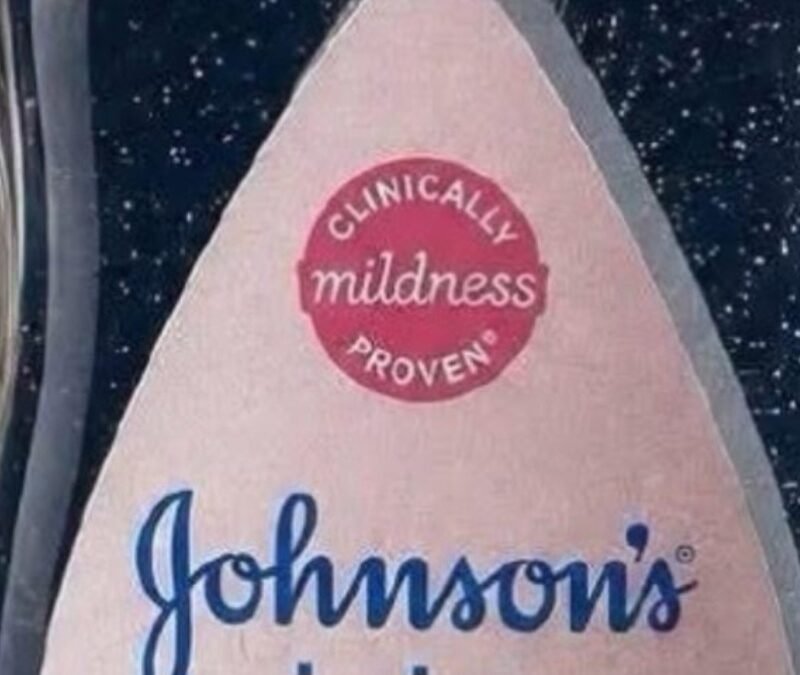
Baby oil is typically made primarily from mineral oil, a highly refined petroleum-derived ingredient widely used in skincare.
Its main function is occlusive: it forms a protective layer on the skin’s surface that helps reduce moisture loss and lock hydration into the skin.
This makes mineral oil particularly useful for softening dry skin and supporting the skin barrier.
However, mineral oil is primarily an occlusive moisturizer. It does not provide the same range of vitamins, antioxidants, or other active compounds found in many botanical oils or targeted skincare ingredients.
Baking Soda
Sodium bicarbonate (baking soda) is an alkaline substance sometimes used in homemade skincare because of its mild abrasive properties.
However, facial skin has a naturally acidic environment, and baking soda can be too alkaline for regular facial use. Excessive or improper use may disrupt the skin barrier, leading to dryness, irritation, redness, or sensitivity.
For this reason, baking soda should be used with particular caution—or avoided altogether on sensitive facial skin.
A Gentler Approach
Rather than expecting a homemade mixture to erase wrinkles, it is more realistic to think of this type of treatment as a way to temporarily soften and moisturize the skin.
Well-moisturized skin can look smoother, more supple, and more refreshed, which may make fine lines appear less noticeable.
Moisturizing and Softening Night Treatment
Ingredients
- 1 tablespoon baby oil or pure mineral oil
- A very small pinch of baking soda — optional
- For sensitive skin: Consider leaving out the baking soda entirely rather than substituting it with a physical scrub.
Preparation
- Place the mineral oil in the palm of your hand or a small clean container.
- If you choose to use baking soda, add only a tiny pinch and mix gently.
- The mixture should remain predominantly oil-based rather than becoming a heavily abrasive paste.
Application
- Start with a clean, slightly damp face.
- Apply a very small amount of the mixture.
- Spread it gently over areas of dryness, avoiding the eyes, eyelids, lips, and any irritated or broken skin.
- Do not scrub or massage aggressively.
- If using baking soda, avoid leaving the mixture on the face as a prolonged mask.
- Remove excess product with a soft, damp cloth or rinse gently with lukewarm water.
- Pat the skin dry rather than rubbing it.
A Safer Option for Sensitive Skin
If your skin is sensitive, reactive, or prone to dryness, the simplest approach is often the best:
Use pure mineral oil alone.
There is no need to add an abrasive ingredient to obtain the moisturizing and occlusive benefits of mineral oil.
Likewise, replacing baking soda with sugar does not necessarily make a facial scrub ideal. Sugar crystals can still create physical friction and irritation, especially when rubbed onto delicate facial skin.
What Can You Realistically Expect?
This treatment may help:
- Reduce the feeling of dryness
- Lock moisture into the skin
- Leave the skin feeling softer and smoother
- Give the skin a temporarily more hydrated appearance
However, it should not be presented as a proven wrinkle-removing treatment.
Fine lines and wrinkles are influenced by factors such as aging, genetics, sun exposure, and changes in collagen and elastin. Moisturization can improve the appearance of dry, dehydrated skin, but it does not permanently reverse these underlying changes.
Important Safety Tips
Before using any homemade skincare mixture:
- Perform a patch test first.
- Avoid the eye and lip areas.
- Do not apply to broken, inflamed, or irritated skin.
- Stop immediately if you experience burning, itching, redness, or swelling.
- Avoid frequent use of baking soda on the face.
- If you have persistent skin irritation, consult a dermatologist.
For long-term anti-aging skincare, daily broad-spectrum sunscreen and a well-formulated moisturizer are generally more reliable foundations than abrasive DIY treatments.
Final Thoughts
The appeal of homemade skincare lies in its simplicity and affordability. Mineral oil can be an effective occlusive moisturizer, but baking soda deserves much more caution when used on facial skin.
Instead of chasing miraculous overnight results, focus on what the ingredients can realistically do: reduce moisture loss, soften the skin, and improve its overall appearance.
A gentle and consistent skincare routine will always be more valuable than an overly aggressive DIY treatment.